
The Conjuring: Last Rites: The final chapter online on YouCine
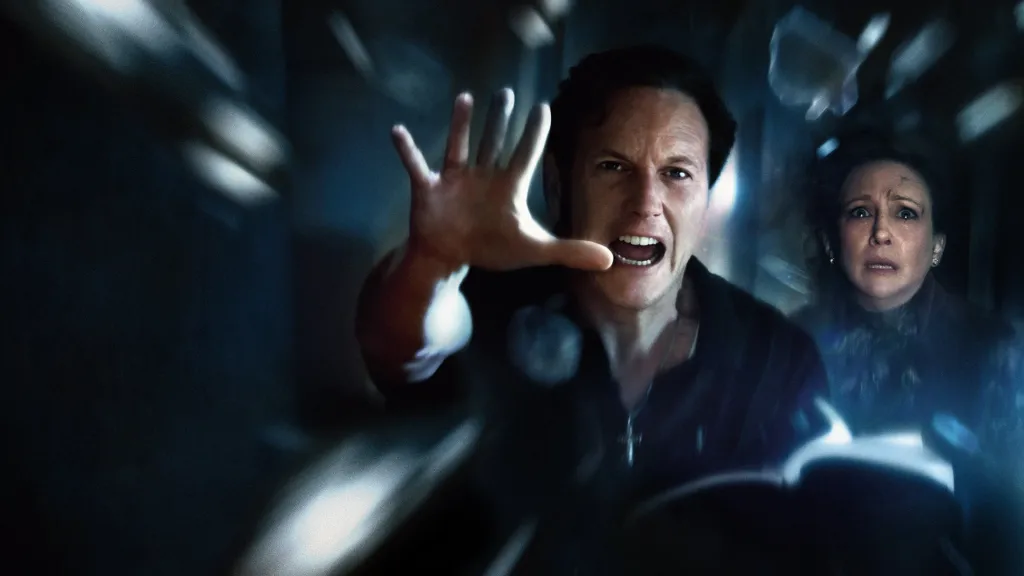
Since its release announcement, The Conjuring: Last Rites has been eagerly awaited by fans of the horror universe that made paranormal investigators Ed and Lorraine Warren famous. Directed by Michael Chaves, returning after The Conjuring: The Devil Made Me Do It, the film promises to be the conclusion of the main franchise storyline. Expectations revolve around a story that mixes classic horror, mystery, and family drama, respecting what made the Conjuring one of the pillars of modern horror: haunted investigations, unexplained phenomena, and that tension that keeps the viewer on the edge of their seat. Additionally, there is curiosity about whether the film will maintain the originality and impact of the first films or fall into already-seen formulas. Finally, knowing that Last Rites marks the farewell of Patrick Wilson and Vera Farmiga in the roles of Ed and Lorraine — protagonists since the beginning of the franchise — the film carries symbolic weight. It is a chance to close with dignity, provide emotional closure for the characters, and at the same time deliver scares and adrenaline. The Final Narrative Depicting a Horror Classic In The Conjuring: Last Rites, the starting point already announces something dramatic: in one of the first sequences, Ed and Lorraine Warren investigate a supernatural case while she is pregnant — and the outcome of this investigation directly connects with the birth of their daughter, Judy. This prologue functions as an emotional hook and establishes early on that the story will mix horror with intense family relationships. The main plot unfolds decades later, when the couple — already retired from active investigations — is called to deal with a terrifying haunting experienced by the Smurl family, residents of a house in West Pittston, Pennsylvania. The approach is that classic “haunted house” style: unexplained phenomena, demonstrations of supernatural forces, and the growing tension that keeps the viewer on edge. But there is also the family dilemma — Judy, now an adult, lives with the psychic gifts inherited from her mother, creating conflict between destiny and the desire for a “normal” life. The film’s pace balances moments of heavy calm with peaks of terror. There are scenes of explicit horror, jump scares, and growing tension, but also segments of human drama focused on the Warren family and the consequences of the supernatural on personal lives. This alternation gives the film a denser and less predictable tone than mere scare-based horror. It is important to note: the film attempts to combine horror, family drama, and supernatural terror in the same context, providing an intense experience that captivates not only through scares but also through empathy with the characters and their consequences. This complexity makes the film interesting for those looking for more than just frights. A Cast That Will Stay in Your Memory The return of Vera Farmiga and Patrick Wilson as Lorraine and Ed Warren is one of the most celebrated aspects of The Conjuring: Last Rites. Farmiga, as always, delivers a performance full of sensitivity — her Lorraine is not only a courageous medium but also a mother, wife, and woman marked by trauma. The actress subtly conveys the weight of living daily with the supernatural. Patrick Wilson, in turn, continues to be the logical and emotional cornerstone of the Warren couple. Ed is the demonologist, the fearless researcher, but also a man with vulnerabilities, doubts, and responsibilities — both toward the supernatural and his family. The chemistry between Wilson and Farmiga remains strong and convincing: together, they sustain the film even in its tensest moments. Among the supporting cast, Mia Tomlinson stands out, portraying an adult Judy Warren. The character carries the legacy of her parents — her gift of mediumship — and represents the balance between the desire for normality and acceptance of a supernatural inheritance. Her journey is important to build the family drama that permeates the plot. Additionally, the villain — represented by the Smurl family and the haunted house atmosphere — brings real tension. The supporting cast performs well, reinforcing the sense that terror arises not only from scares but also from personal relationships, intimate fears, and forces beyond the human. Production Curiosities: Aesthetics, Score, Setting, and Atmosphere One of Michael Chaves’ most interesting decisions for this film was to opt for a return to a more “classic” haunted house horror — similar to the franchise’s earliest stories. This means less exaggerated “modern horror” and more atmosphere, suspense built over time, and the use of visual and sound resources to anticipate fear. The cinematography strongly contributes to this mood: the use of handheld cameras, closer shots, compositions reminiscent of home videos or old tapes give a sense of realism and vulnerability — as if the terror were happening “for real.” This is an effective device to increase the psychological impact of scenes. The soundtrack helps maintain tension subtly — without relying solely on easy scares or predictable sound shocks. The house setting, subtle sounds, silences — everything contributes to creating an oppressive atmosphere that gradually grows, just like the characters’ fear. Finally, there is a clear attention to classic horror elements: shadows, reflections, mirrors, apparitions, and moments of “not seeing completely” — which leaves much to the viewer’s imagination and reinforces psychological terror. This type of horror works well for those seeking more than just loud, jumpy scares. References, Inspirations, and Similarities to Other Hits In its return-to-roots approach, Last Rites strongly evokes the franchise’s first films — those that became famous for haunted houses, dark investigations, and growing tension, rather than horror based solely on visual shocks. This choice may make many longtime fans feel nostalgic and see the film as an homage to the style that established the Conjuring universe. Moreover, the narrative structure — a mix of family drama and supernatural horror — resembles genre classics that explore how terror affects not only the body but also the mind and emotional bonds. This approach allows the horror to operate on multiple levels: physical, psychological, and emotional. On the other … Read more