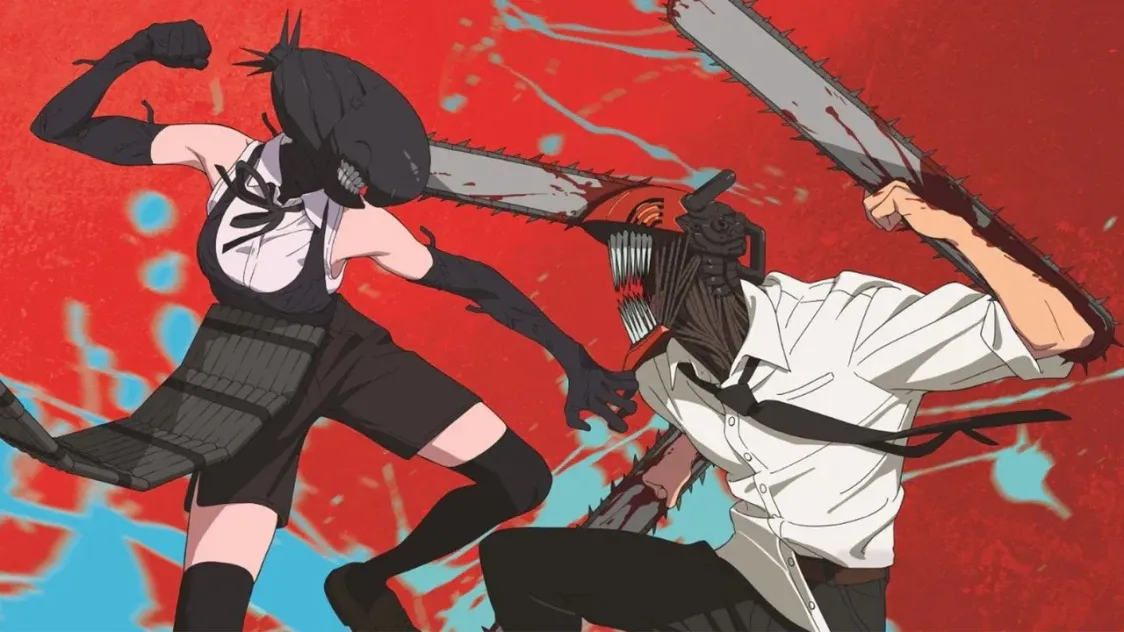
Watch the anime Gachiakuta online on the YouCine App
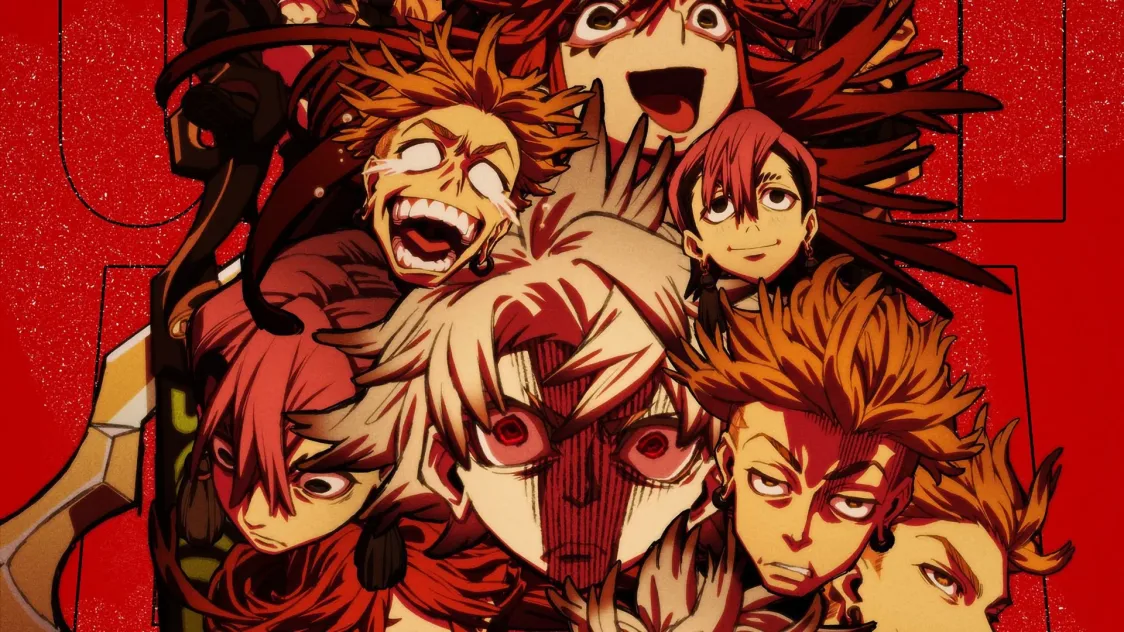
The animated series Gachiakuta emerges in 2025 as one of the boldest bets in the dystopian genre. Created by Kei Urana, with designs influenced by graffiti aesthetics, the manga had already gathered dedicated fans — and the Bones Film studio, adapting it, embraced all this potential. The production combines drama, social criticism, and visceral action, shaping a unique universe. Since its premiere, Gachiakuta has drawn attention worldwide. The harsh narrative, stylized violence, and visually chaotic world create an atmosphere that does not go unnoticed. The anime stands out by not softening its origins: it embraces horror, dirt, and the emotional weight that was already present in the source material. For those looking for an intense work, with a fast-paced rhythm, psychological conflicts, and a unique setting, Gachiakuta delivers all that — and even more. It is an uncomfortable, provocative, and artistically powerful dive. The Plot: Survival, Injustice, and Relentless Rhythm The story follows Rudo, a young man who lives in the poorest area of the city — a society divided between a luxurious urban center and its decaying outskirts. Wrongfully accused of murder, Rudo is sentenced to “The Pit,” an abyss where criminals, waste, and everything deemed disposable by the elite are thrown. But the Pit is not just a cruel fate; it is a world of its own, where trash literally transforms into monsters. Deformed beings wander the depths, attacking anyone who has been sent there. The horror is not only visual but also moral: the discarded people of society must survive what it itself has created. In this devastated environment, Rudo discovers the Cleaners, warriors specialized in fighting the Pit’s creatures using weapons known as “Vital Instruments.” Each weapon is born from significant objects, incorporating consciousness, power, and a unique form. The rhythm of the series is electrifying. With every episode, the tension rises: whether through revelations about the city’s corruption or increasingly intense confrontations. Gachiakuta weaves action, drama, and moments of suspense with precision, keeping the viewer hooked by the emotional strength of Rudo’s journey and the complexity of the world presented. Nothing is gratuitous: every fight carries consequences, every dialogue unveils new layers, and every discovery brings Rudo closer to a painful truth — about the elite, the Pit, and himself. Characters, Protagonists, and Highlights of the Work The strength of Gachiakuta goes far beyond action. Its characters are deep, imperfect, and marked by abandonment. Rudo, the protagonist, is the face of social injustice. Angry, impulsive, but deeply human, he fights not only to survive but to reclaim his dignity and prove his innocence. His evolution, marked by pain and effort, is one of the pillars of the series. Enjin, a member of the Cleaners, emerges as a guide and ally, but also as someone with his own traumas. He represents the hope and toughness of someone who has already faced the worst and continues fighting. The relationship between him and Rudo gradually develops, full of tension, friction, and respect. Among the antagonists, the standout is the Raiders, a cruel group that dominates part of the underworld. Each member carries its own characteristics, such as: Zodyl, a brutal leader capable of mutating his body according to what he consumes. His presence is grotesque, unpredictable, and extremely dangerous. Jabber, obsessed with battles, using weapons with neurotoxins that amplify the terror of confrontations. Cthoni, with teleportation abilities restricted to dark environments, giving him a terrifying strategic advantage. Noerde, whose weapon, energized by a special comb, creates devastating electric attacks. This gallery of characters makes the world of Gachiakuta vibrant and diverse. Each character has their own motivations, nuances, and emotional depth. Even the villains have their pains and reasons — reinforcing the central theme of the series: all of them have been discarded in some way. Production Curiosities: Aesthetic, Soundtrack, and Atmosphere The aesthetic of Gachiakuta is a spectacle in itself. Inspired by urban graffiti, it gives the anime an aggressive visual identity, marked by strong contrasts, heavy shadows, and settings that seem to breathe decay. Nothing is polished: everything is dirty, chaotic, and worn down — which reinforces the weight of the narrative. The soundscape is equally striking. The soundtrack mixes tense beats, industrial instruments, and dark melodies that intensify the urgency and despair permeating the Pit. Every battle, every moment of silence, every discovery gains an emotional layer through the music. The very atmosphere is a character: the Pit has personality. It oppresses, suffocates, threatens. It is hostile, unpredictable, and constantly shifting. This sensation comes not only from the animation but from how environments, sounds, and colors are used together. The production succeeds in turning the environment into a metaphor: the trash that turns into a monster is the cruel reflection of a society that discards people just as easily as it throws away objects. References and Comparisons: Echoes of Other Successes Gachiakuta resembles other dark works that explore inequality and social abandonment, but it does so with its own style. The combination of horror, action, and social criticism recalls classics of the dystopian genre, but the graffiti aesthetic and visceral tone create a new identity. For those who enjoy decadent universes, grotesque monsters, and emotionally broken protagonists, Gachiakuta evokes some familiarity — but at the same time surprises by how it tackles its themes. The dirty setting, psychological weight, and brutal action differentiate it from more traditional shonen productions. By reinterpreting the concept of the “underworld,” the anime gives a face and voice to the discarded people — making it deeper, more painful, and, at the same time, more human than many titles in the genre. Download and Install YouCine Now and Watch Gachiakuta Online Gachiakuta is one of those anime that leaves a mark. Its stylized violence, its broken characters inside and out, and its sharp social criticism create a powerful experience, especially for those seeking something heavier and deeper. Rudo’s journey is brutal, emotional, and full of layers. And to make the most of this journey, YouCine stands out as the ideal … Read more